
Polework Clinic @ Ledston Equestrian Leanne Heslop
Saturday 14 November 2026
Entries close in 2 days

4 upcoming events
Next event:
12/11/2026 ShowJump Training with Sophie Minikin
Find out more ..
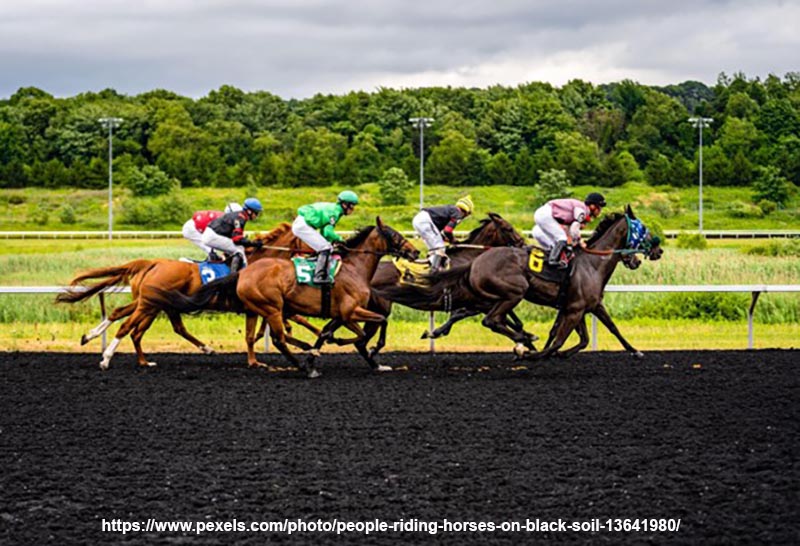
Horse racing offers plenty of information for bettors to consider before each event. From recent performances to track conditions and betting odds, every detail contributes to understanding the horses competing in a race. Learning how to interpret this information makes following the sport more engaging and informative.
Race forms, past results, and market prices provide different perspectives on each contender. By examining these elements together, bettors can develop a more structured approach to reviewing races and understanding the factors that shape expectations.
A race form provides essential information about the horses entered in an upcoming event. It typically includes recent results, finishing positions, race distances, and details about jockeys and trainers. Understanding these records helps bettors compare competitors before examining more specific racing factors.
Many horse betting tips begin with studying past performances because they reveal how horses have competed under different circumstances. A horse that consistently finishes near the front may demonstrate reliable form, while another might show stronger performances at particular distances or on certain surfaces.
Race forms also include information about previous competition levels. Horses sometimes move between different race classifications, meaning their earlier results need to be considered alongside the quality of their opponents.
Jockey and trainer records provide additional context. Changes in riding assignments or training patterns may attract attention, particularly when reviewing a horse's recent development.
Rather than focusing exclusively on finishing positions, bettors benefit from examining the circumstances surrounding each performance. This broader perspective helps explain how individual horses approach different racing situations.
Recent performances reveal patterns that are not always apparent from a horse's overall racing record. Examining several consecutive starts helps bettors understand consistency, preferred racing conditions, and changes in performance over time.
A horse that performs consistently at shorter distances may face different demands when entering a longer race. Similarly, a competitor moving into a higher classification encounters a different field, making direct comparisons with earlier results less straightforward.
Several details deserve attention when reviewing recent form:
Running positions help distinguish front-runners, stalkers behind the leaders and horses that finish from farther back. Their effectiveness depends partly on the pace created by the field. Several starts provide more context than one result, but a short sequence still leaves uncertainty. Changes in opponents, instructions and conditions can alter the next performance.
Track conditions play an important role in horse racing because different surfaces create distinct racing experiences. In the United States, races commonly take place on dirt, turf, or synthetic tracks, each presenting different characteristics for horses and jockeys.
Surface type and condition are different considerations. On U.S. dirt tracks, “fast” generally describes dry footing, “muddy” indicates wet, deeper conditions and “sloppy” commonly involves surface water. A strong dirt record does not necessarily include experience in each condition.
Turf racing introduces additional considerations. Grass courses change with weather and maintenance, affecting how horses travel across the surface. Bettors often examine whether a horse has previously competed successfully on firm, good, or softer turf.
Synthetic tracks provide another racing environment, with surfaces designed to maintain relatively consistent characteristics. However, horses may still display different preferences when moving between synthetic, dirt, and turf courses.
Betting odds provide insight into market expectations for a horse racing event. They communicate the relationship between a selection's price and its potential payout, while also reflecting how betting activity develops before a race.
In U.S. pari-mutuel wagering, stakes enter pools organized by wager type. A deduction called takeout is applied before returns are calculated. Rates vary by track, jurisdiction and pool, affecting the amount available to pay winning selections.
Understanding several common terms makes odds easier to interpret:
Odds fluctuate as wagering continues, so prices displayed earlier may differ from those available near post time. Comparing odds with race form and performance records provides another perspective on how the field is being evaluated.
Understanding individual racing statistics is useful, but combining them creates a more organized approach to evaluating an upcoming event. Race forms, performance trends, track conditions, and betting odds each contribute information that becomes more meaningful when considered together.
A practical pre-race review can follow several steps:
These steps help bettors organize information without placing excessive emphasis on a single statistic. A horse's recent form might appear encouraging, but its distance preferences and previous surface performances provide important context.
Following a consistent review process also makes it easier to compare different races. Over time, bettors become more familiar with the information that helps explain racing patterns and market expectations.
Understanding horse racing involves more than recognizing familiar names or checking the latest odds. Race forms, recent performances, track conditions, and market prices all provide valuable information about the competitors and the circumstances surrounding each event.
By reviewing these details together, bettors develop a clearer perspective on how races are evaluated. A structured approach encourages closer attention to performance patterns, changing conditions, and betting activity, making the process of following horse racing more informed and engaging.


 0 entries £0.00