
Fun Care & Pony Day Wednesday 21st October at Queen Mary's School Open to All
Wednesday 21 October 2026
Entries close in 1 day
9 upcoming events
Next event:
29/10/2026 Cavaletti and Cake Club
Find out more ..
Horse racing is one of the most iconic sports in the world, with people travelling from all 4 corners of the globe to visit particular events. The reason for this is often the result of experiencing the traditions of the sport, as well as the popularity it has on social media. What sets this sport apart from other solo events and even team games is the combination of humans and animals, working together to shape a result, as well as countless other factors that keep viewers on their toes. Whether it be the training or tactical elements behind the races, horse racing is one of the most skilful sports and can almost guarantee an entertaining watch.
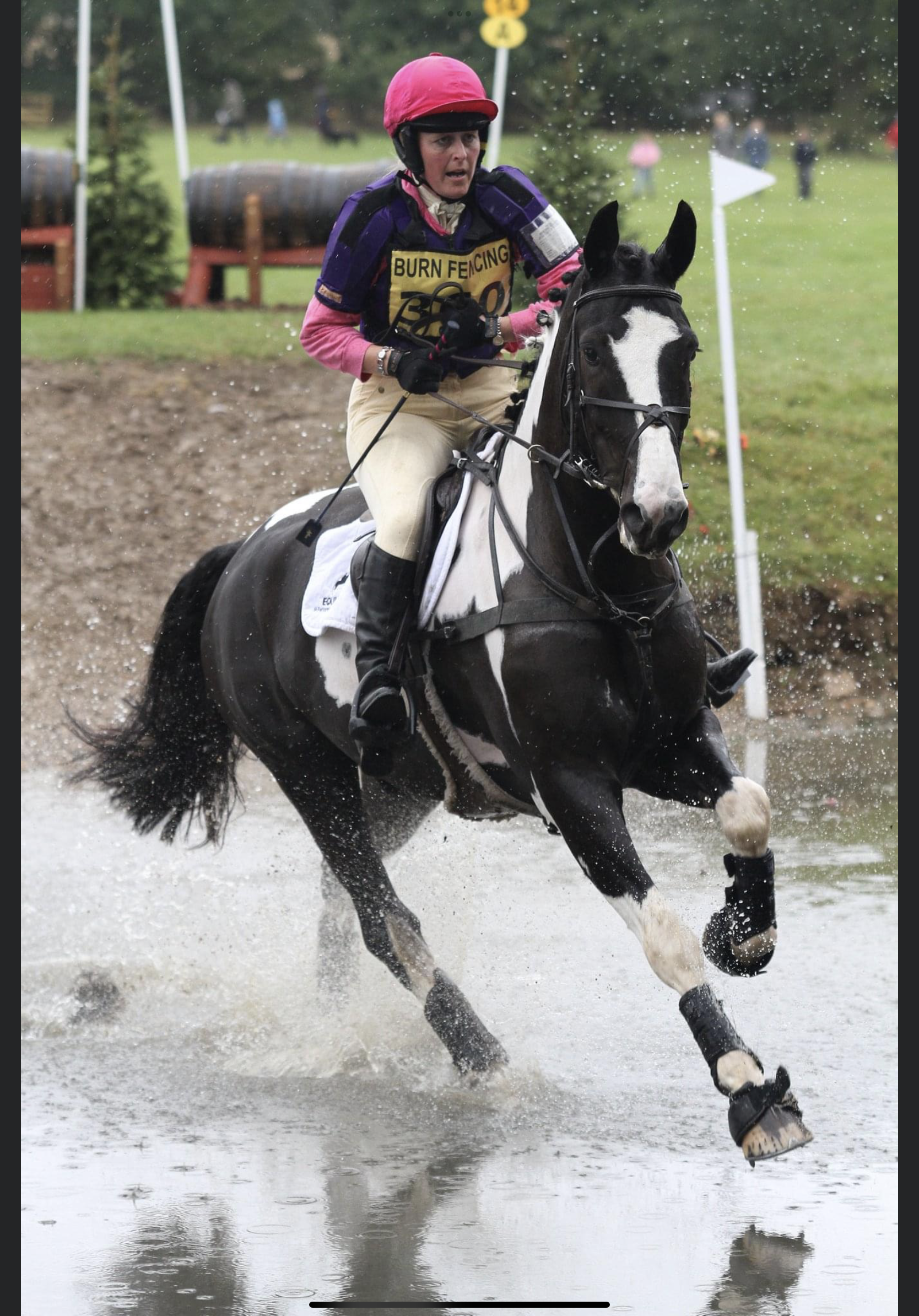
What makes horse racing different from most other sports is the relationship between rider and animal. In a football match or a running race, performance depends entirely on the abilities of the human athlete. In racing, success relies on how well a jockey performs and understands the ability of their horse, allowing it to be comfortable and perform under pressure as they come up against other competitors and changing race circumstances. This partnership makes every race technical and builds a bond between the jockey and the horse, looking to work together to achieve success.
Horse racing is not a newcomer to the sporting world. Its heritage stretches back into ancient times, with organised contests taking place far earlier than most modern sports. In the United Kingdom, races such as the Epsom Derby have been held since the late 1700s and continue to attract huge crowds. Since it was first established, horse racing has massively evolved; however, much of its history and traditions have been maintained. This combination of longevity and ability to adapt to modern circumstances makes it a timeless sport that looks to stay in the public light long into the future.
A horse race may only last a few minutes, but it does demand incredibly quick thinking and good awareness from jockeys. Success is not simply determined by whose horse is the fastest, but it also requires skill from the jockeys to judge pace as possession at the right moments, understanding what to do in any situation. Some races are won by fractions of seconds, and the choices that are made in split seconds can change the whole outcome. This mix of speed and strategy makes every race compelling, even to those who know little of the sport.
Many of horse racing’s biggest fixtures have become cultural occasions in their own right. Events like Royal Ascot are well known for the fashion and social elements outside of the intense action that can be witnessed on the track. People travel from around the world to experience this event, strictly based on the reputation surrounding it when it comes to the atmosphere and tradition. These occasions combine the sport with social elements, which is a strong part of the spectacle that is typically offered at these major racing meets.
One of the most captivating aspects of horse racing is its unpredictability. Rain can turn a firm track into heavy going, a young horse’s mood can shift at the gate, and a favourite can be upset by an underdog on the day. Even with detailed form guides and careful analysis, there is always the chance that something unpredictable could occur. This level of randomness is what appeals to racing fans, as it means the outcomes are never guaranteed, and surprises can occur at any moment. Conversations around major events often extend beyond the track, and while some may choose to bet on the Irish Grand National.
In many sports, we remember the greatest human athletes. When it comes to racing, the horses have become legends, with many names going down in the history of sport, never mind just horse racing, all as a result of their achievements and impact on horse racing. These animals are celebrated long after they retire, with their names living on in the likes of books and films, as well as being passed down from generation to generation. The legacy of great racehorses adds richness and emotional resonance to the sport.
Horse racing sets itself apart as it blends athleticism with strategy and traditional values, partnering humans and animals in a way no other sport does. Its appeal is not just a result of the speed, but also the incredibly unpredictable nature of the races, which is further enhanced by legendary horses that are synonymous with the sport. Whether it be carefully bred thoroughbreds or the skill of their jockey, there are many elements that can contribute to the sport that is full of traditional values. This combination of factors ensures horse racing continues to captivate audiences across the world.


 0 entries £0.00