
HOLLIES HUNTER TRIAL ELAND LODGE ARIAT NATIONAL HUNTER TRIAL CHAMPIONSHIP QUALIFIER 2027
Sunday 18 October 2026
Entries close in 2 days

5 upcoming events
Next event:
22/10/2026 ShowJump Training with Sophie Minikin
Find out more ..
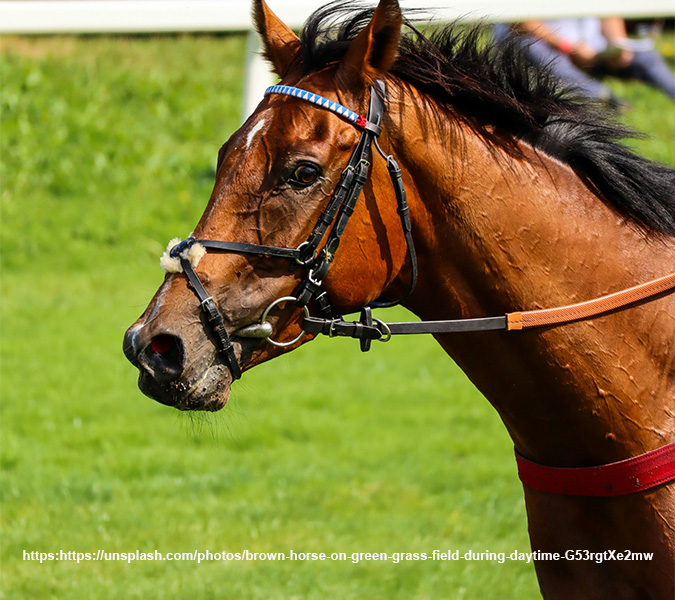
For generations of British jumps racing enthusiasts, Towcester Racecourse occupied a singular, affectionate place in the winter calendar. Nestled in the rolling Northamptonshire countryside, the venue was legendary not for lightning-fast times or flat, manicured turf, but for providing one of the most gruelling, stamina-sapping examinations in National Hunt racing. Its notoriously stiff uphill finish earned it a reputation as "the home of the slow horse," a place where courage and relentless staying power routinely trumped outright speed. It was on this very incline in November 2013 that Sir Anthony McCoy drove Mountain Tunes to victory to secure the 4,000th winner of his astonishing career, a milestone etched permanently into racing folklore.
When financial difficulties forced the racecourse into administration and brought horse racing to an abrupt halt following the May 2018 fixture, the equestrian world mourned what felt like a permanent loss. The grandstands fell quiet, the jumps were dismantled, and many feared the historic turf would ultimately fall victim to property developers.
Yet, Towcester did not die. Instead, it underwent a remarkable transformation. While the thoroughbreds were absent, the venue found an unlikely saviour that kept the turnstiles spinning, preserved the estate, and ultimately laid the financial foundation for the return of National Hunt racing: greyhound racing.
Today, the atmosphere at Towcester is one of rejuvenation rather than nostalgia. Under the stewardship of new management company Orchestrate, chaired by Mike Davis, an ambitious blueprint is actively being executed to bring jump racing under rules back to the Northamptonshire track for the 2027/28 National Hunt season.
This is no mere speculative pipe dream. As reported by the Racing Post, more than £2 million is currently being poured into comprehensive infrastructure refurbishments across the site. Extensive drainage works have been completed on the turf circuit to ensure the ground can withstand the rigours of modern jump racing, while the iconic Grace Building grandstand is undergoing extensive modernization. Crucially, the weighing room and stable facilities are being completely overhauled from a blank canvas to meet modern British Horseracing Authority (BHA) welfare and safety regulations, with champion jockey Paul Townend consulting on the layout to ensure it meets the practical needs of today's riders.
The comeback strategy is designed as a measured, two-phase progression. Before professional cards return, management is targeting point-to-point fixtures and educational schooling days as early as next spring. These grassroots fixtures will allow course inspectors and ground staff to perfect the turf husbandry, ensuring that when National Hunt racing officially returns, the track will be in peak condition.
While equestrian fans celebrate the pending return of the horses, it is impossible to overstate the role that greyhound racing played in saving Towcester during its wilderness years. Following the closure of London’s Wimbledon Stadium in 2017, British greyhound racing was in desperate need of a world-class, permanent home for its premier classics. Towcester stepped into the breach, constructing a state-of-the-art 500-metre sweeping sand circuit directly inside the perimeter of the horse track.
Rather than acting as a temporary stopgap, Towcester rapidly established itself as the undisputed capital of the sport. It became the permanent host of the English Greyhound Derby, the oldest, richest, and most prestigious classic on the calendar, boasting an exceptional £175,000 first prize.
Throughout the early 2020s, while traditional racecourses grappled with economic uncertainty and empty enclosures, Towcester was hosting sell-out crowds of thousands under the Friday and Saturday night lights. The revenue generated from high-profile greyhound festivals, corporate hospitality, and broadcasting rights ensured the estate remained a viable, well-maintained sporting venue rather than a derelict relic. Simply put: without the dogs, there would likely be no racecourse left for the horses to return to.
One of the most refreshing aspects of Towcester’s revival is that the return of National Hunt racing will not come at the expense of the greyhounds. In a joint commitment confirmed by track management, Orchestrate has pledged that greyhound racing will remain a core pillar of the venue’s identity. When horses break from the starting tape in autumn 2027, Towcester will become one of the very few multi-discipline sporting hubs in Britain where elite jump racing and premier greyhound racing operate harmoniously on the exact same footprint.
For the racing enthusiast and the everyday punter, this duality makes perfect sense. The divide between equestrian followers and greyhound fans has always been more imagined than real; at their core, both sports are celebrations of animal athleticism, breeding, tactical pace, and the thrill of the chase. The skillset required to read a racecard is remarkably transferable. A punter who understands how ground bias and stamina affect a three-mile handicap chase up Towcester's hill possesses the same analytical mindset needed to evaluate trap draws, early split times, and track positioning around the 500-metre sand oval.
During the spring and summer months, as the jumps season winds down, attention across the Northamptonshire venue naturally pivots to the Greyhound Derby festival. It is a seamless transition, with punters analysing form and checking out BresBet's greyhound odds ahead of the classic rounds with the exact same enthusiasm they bring to the Cheltenham or Aintree festivals. By offering both disciplines under one roof, Towcester is creating a year-round destination that appeals to the broadest possible spectrum of racing fans.
The ongoing story of Towcester Racecourse is a testament to resilience, innovation, and adaptability. In an era where British racing infrastructure faces immense economic pressure, the venue’s willingness to embrace greyhound racing at the highest level provided the vital commercial bridge across a decade of uncertainty.
When the first field of jump horses finally thunders back up that punishing Northamptonshire incline in 2027, it will be a victory celebrated not just by National Hunt purists, but by the wider racing community that kept the venue alive. By proving that horses and hounds can thrive side-by-side, Towcester has not only preserved its rich equestrian heritage, it has secured a vibrant, multi-sport future for generations of racegoers to come.


 0 entries £0.00