Autumn Stressless Dressage at Edenthorpe Equestrian
Saturday 17 October 2026
Entries close in 4 days

Image by prostooleh on Magnific
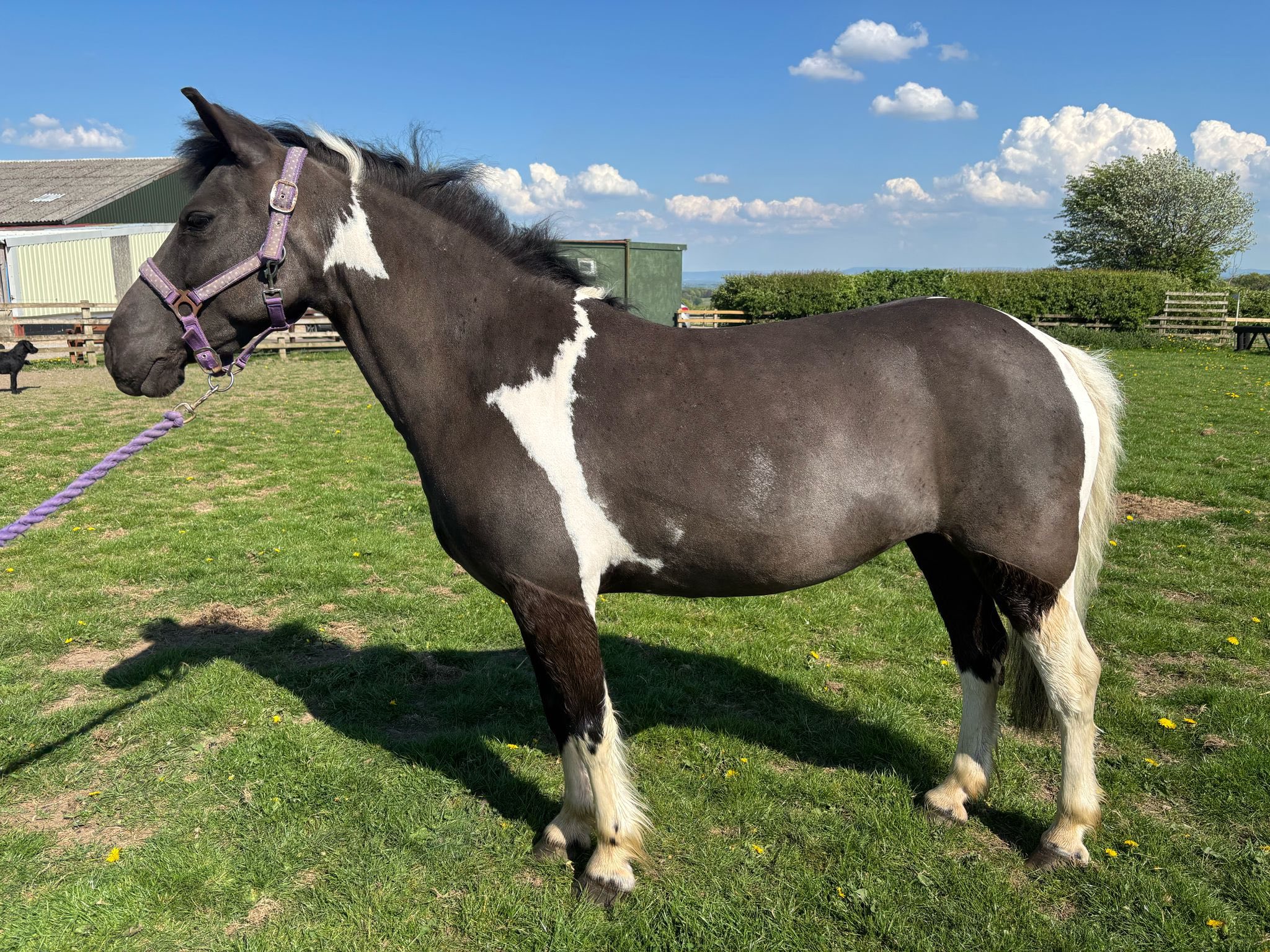
The equestrian year has a particular rhythm that those outside the community rarely appreciate. Shows and competitions cluster in certain seasons and certain weekends. The preparation period between events, with its routines of training, turnout, feeding and yard management, is intensive but not financially eventful. It's the show itself, or the race meeting, where the stakes are real and the adrenaline is genuine.
Equestrian enthusiasts are also, in significant numbers, people who engage comfortably with gambling. Horse racing has one of the longest relationships with betting of any sport, and the culture that surrounds it, from point-to-point meetings to Cheltenham and Ascot, has normalised the presence of the bookmaker and the flutter as part of the event experience. Online gaming, as an extension of this relationship into digital leisure, is a natural if understated part of how many equestrian enthusiasts spend their leisure time away from horses.
The British Horseracing Authority (BHA) regulates horse racing in Great Britain and maintains standards for the sport that include provisions around integrity and betting. Horse racing has a legally and culturally embedded relationship with gambling that has existed in formal frameworks since the legalisation of off-course betting in 1961. The transparency required in licensed betting markets, and the data on form and conditions available to racing bettors, has created a sophisticated betting culture within the equestrian community that extends naturally to other forms of online entertainment.
The equestrian community's comfort with risk, with uncertainty, and with the financial stakes of competition, creates a temperament that online gaming platforms have found among their users. The show jumper who has invested in a horse's preparation for a season knows better than almost anyone what it feels like to have skin in a game whose outcome is genuinely uncertain.
The Saturday evening of a show weekend, after classes are done and horses are settled, is a specific leisure moment in the equestrian calendar. The yard gossip has been exchanged. The rosette, if there is one, has been photographed. The results have been discussed and the next venue planned. And then there's an evening, perhaps in a horsebox, perhaps in nearby accommodation, that is entirely unstructured.
This is precisely the kind of evening for which digital leisure on a phone is designed. Accessible anywhere with a data signal, requiring no planning or coordination, and available in sessions of any length. The live slots at mrQ and similar interactive gaming formats provide something to do that is genuinely engaging rather than merely filling time, which is what the particular post-show vacancy often requires.
For equestrian enthusiasts approaching online gaming for the first time or returning to it after a break, a few practical things are worth establishing before a session begins. Setting a deposit limit is the most important single step: it creates a defined spend ceiling that prevents the session from costing more than a deliberate entertainment decision sanctioned. UKGC-licensed platforms are legally required to provide this functionality, and using it is simply good practice.
The pattern of equestrian social culture, which involves shared budgets for events, travel and entries, sometimes makes individual leisure spending budgeting less habitual than in other social contexts. The same financial discipline that covers entries, veterinary costs, and competition travel deserves to be extended to digital leisure. A defined amount per month for online gaming, set in advance and not exceeded, keeps the activity in the leisure column rather than the concern column.
The UK Gambling Commission's (UKGC) requirement that all licensed platforms provide transparent responsible gambling tools means these protections are available at any licensed platform as a standard feature. Using them is not a sign of having a gambling problem; it is ordinary sensible financial practice that anyone engaging with gambling as a leisure activity should adopt as default.
The equestrian community's long relationship with gambling culture provides a foundation for engaging with online gaming thoughtfully. Those who bring the same discipline to digital gaming that they apply to competition budgets will find it a sustainable and enjoyable leisure option.
Digital gaming fills the same psychological space for the equestrian community that it fills for many sport-adjacent communities: the need for engagement and active attention during the intervals between the primary activity that consumes so much focus and energy.
For equestrian enthusiasts, digital leisure has the same function that any quality entertainment serves in a busy seasonal life: it fills the gaps with something genuinely engaging, without demanding the kind of extended commitment that the primary hobby already requires.
Online gaming in the equestrian community occupies the same leisure niche that the betting ring fills at race meetings: a managed, enjoyable engagement with risk that complements rather than competes with the primary love of horses and competition.
For the equestrian enthusiast who treats digital gaming as one element of a varied leisure life, the quality of the licensed UK market means they have access to well-designed, fairly regulated entertainment that fits naturally into the gaps of a demanding sporting calendar.


 0 entries £0.00