
Indoor Unaffiliated Dressage (including AGRC Series qualifiers) @ Appleton Grange
Sunday 15 November 2026
Entries close TODAY!

9 upcoming events
Next event:
14/11/2026 Arena eventing training with Will Murray @ REC
Find out more ..
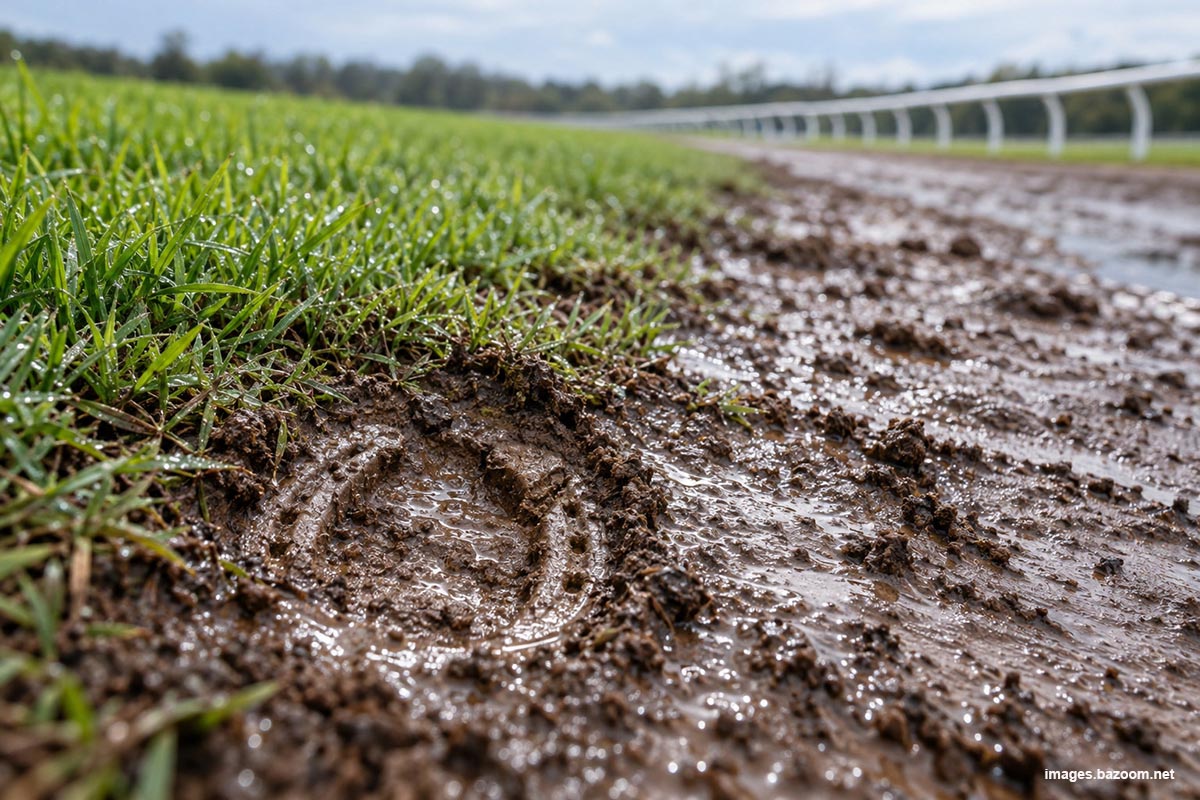
Track conditions, or “the going”, are often the deciding factor in a horse’s performance and the outcome of a race, influencing everything from speed and stamina to the tactics chosen by riders.
Few factors shape the unpredictability and excitement of horse racing quite like the state of the track itself. Racing surfaces can shift dramatically in response to weather, track maintenance, and the daily rigours of competition. For those studying form, following runners, or simply seeking fast racing results, understanding how underfoot conditions impact equine athletes and their connections can add valuable insight into each race outcome and the sport’s broader safety measures.
When racegoers or commentators discuss “the going”, they are referring to a combination of surface and weather-related factors.
The primary distinction is the surface type: turf (grass), all-weather (synthetic), or less commonly, dirt. Each brings its own set of challenges. Turf remains standard for most UK and Irish flat and jumps racing and can range from ‘firm’ (hard and fast) to ‘heavy’ (soft and energy-sapping). All-weather surfaces, often composed of sand, fibre, and wax, are designed to be more consistent and less dependent on rain or temperature but can still ride differently according to maintenance and precipitation.
Moisture content plays a major part. Prolonged rain can leave the ground soft, sticky, and demanding on a horse’s stamina, while dry spells bring firmer, faster conditions. How efficiently a course drains rainwater is critical, and each venue will have its own quirks based on soil type, underlying drainage systems, and past renovation work. Track staff employ rolling, watering, or even verti-draining to manage ground conditions between meetings and races.
The weather, before and during a meeting, is always a dominant influence, affecting both the surface and how horses and humans experience the race environment. Wind and heat alter moisture levels and may even create variable conditions across the same card.
What sets horse racing apart is how dramatically the “going” influences athletic effort. On firmer ground, horses can gain more traction, often leading to quicker times and a greater emphasis on pure speed and close-up positioning. In contrast, softer or heavier going saps energy, increases the physical challenge, and favours stamina and resilience.
Grip underfoot is vital. Horses need to corner, accelerate, and jump without slipping, and a slippery or loose surface demands extra caution from both horse and rider. Deeper ground increases fatigue, leading to slower finishes or unexpected changes of pace, which can alter the race shape. When visibility is affected by wind-blown debris or driving rain, both performance and safety can be compromised further, requiring even more adaptable tactics.
No two horses move or feel the track in quite the same way. Conformation, how a horse is built, and stride action make some better suited to particular goings. Horses with a high knee action frequently cope better with testing, muddy tracks. Those with a flatter, daisy-cutting stride may fly on fast ground but become stuck on softer surfaces.
Fitness and age are equally crucial. A seasoned stayer may handle extremes of going where a novice tires quickly. Evidence from previous performances can provide clues to a horse’s preferences, as some consistently perform better under certain surface conditions, shaping trainer and jockey tactics on race day.
Experienced riders adapt their tactics to the ground. Saving ground, racing closer to the rail, or holding a horse up for a late burst are all shaped by what lies beneath. Trainers watch going reports and weather forecasts closely, weighing up running plans, travel, and even the choice of equipment.
Shoes with additional grip or varied designs can be used within the rules to maximise safety and performance, but welfare always comes first. Smart training can help prepare horses for likely conditions, galloping on deep sand or schooling over soft ground when heavy going is forecast.
Assessing and publishing ground conditions is about more than just betting or performance; it is central to managing injury risks and fair competition. Officials undertake regular inspections, check moisture levels, and make decisions about watering or postponement when surfaces become unsafe. Sometimes, races are delayed, distances shortened, or even abandoned to protect horses and riders, especially in extreme or deteriorating weather.
For spectators and participants, official going descriptions provide a starting point, but observing the actual track, how turf kicks up under hooves, the splashes on horses’ legs, or the times registered in early races, can reveal additional clues.
Conditions are not static. Sunny spells can quickly dry a sodden track, while ongoing rain may dramatically alter the surface over the course of an afternoon. Following updates and watching how riders adjust gives a deeper appreciation of each performance in fast-changing environments.
Track conditions remain a constant variable in racing, shaping race outcome, strategy, and the welfare of both horses and riders. By recognising their impact and reading official reports alongside visible clues, you can view every race more knowledgeably, appreciating why no two contests, even under apparently similar skies, are ever quite the same.


 0 entries £0.00